What Parents Should Know About Pilot Training in India: A Complete, Honest Guide
Pilot Training Is Not Like Regular College Education
This is the first and most important thing parents must clearly understand.
Pilot training is professional aviation training, not a traditional college degree like engineering or medicine. There is no semester system, no fixed academic calendar, and no “pass out” date based on time spent. Progress in aviation depends on skill development, discipline, medical fitness, and consistency.
In pilot training, flying hours matter more than marks. A student qualifies only after meeting strict standards set by the DGCA (Directorate General of Civil Aviation). Simply attending classes or spending a certain number of months does not make someone a pilot. Every milestone must be earned.
This is where parents play a crucial role. Supporting a structured routine, encouraging discipline, and showing patience during the journey directly impacts a student’s success.
Understanding a Child’s Dream to Fly
When a child expresses the desire to become a pilot, parents usually stand at a crossroads. On one side is pride, because flying is one of the most respected and global profession. On the other is concern, because pilot training is demanding, expensive, and very different from conventional education.
If you are a parent trying to understand whether pilot training is the right decision, this guide is written for you, in simple language, without exaggeration or sales talk.
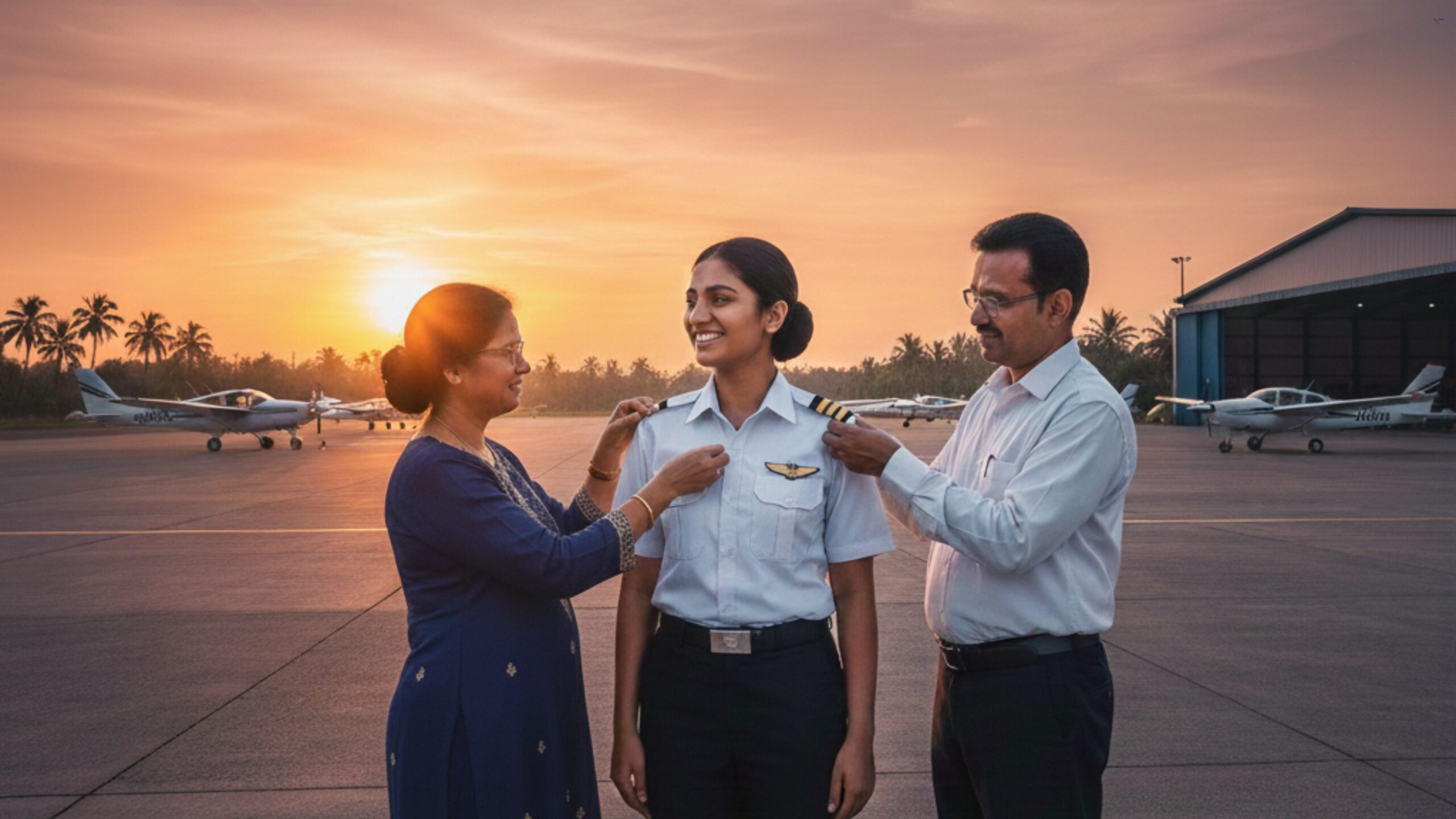
At Felix Pilot Training Institute, we work closely with both students and parents, and we strongly believe that informed parents make the strongest support system for future pilots.
Pilot Demand and the Golden Era of Aviation (2025–2030)
One of the most common questions parents ask is, “Is there really a future for pilots?”
Today, this question can be answered with facts, not opinions.
The global aviation industry is entering what experts widely describe as a golden hiring phase between 2025 and 2030. Indian airlines alone have placed orders for well over 1,000 new aircraft, and these orders are officially confirmed and publicly available.
Air India has disclosed its large Airbus aircraft order through an official Airbus press release, which you can verify here:
https://www.airbus.com/en/newsroom/press-releases/2024-12-air-india-discloses-100-airbus-aircraft-order-and-services-contract
IndiGo, India’s largest airline, has placed the largest aircraft order in aviation history, ordering 500 A320 family aircraft. This is also officially announced by Airbus and can be verified here:
https://www.airbus.com/en/newsroom/press-releases/2023-06-indias-indigo-places-record-order-for-500-a320-family-aircraft
At the same time, aviation regulators have introduced stricter Flight Duty Time Limitation (FDTL) rules. These rules are designed to improve safety by limiting how many hours a pilot can fly. While this is essential for safety, it also means airlines now require more pilots to operate the same number of flights.
In simple terms, more aircraft entering fleets combined with reduced pilot duty hours has created a genuine and growing shortage of trained pilots. For parents, this means pilot training today is not a gamble it aligns with actual industry demand.
The Financial Commitment Parents Must Prepare For
Pilot training is a serious financial decision, and parents deserve complete honesty here.
The total cost for a student to enter an airline cockpit typically ranges between ₹75 to ₹95 lakhs. This includes ground training, flight training, examinations, licensing, and type rating depending on the career path. It is not a small amount, and it should never be treated casually.
What matters most is planning. Most families fund pilot training through collateral-based education loans, self-sponsoring, or a combination of both. Unlike conventional degree courses, aviation loans are evaluated differently by banks, and guidance becomes extremely important.
At Felix, we never rush families into financial decisions. A well-planned approach protects both the student’s future and the family’s stability.
Medical Fitness: A Non-Negotiable Step
Before admissions or payments, medical fitness must be addressed.
Every aspiring pilot must clear DGCA Class 2 and Class 1 medical examinations. These tests assess eyesight, cardiovascular health, overall physical fitness, and medical history. Many conditions, such as minor eyesight issues, can be manageable but they must be evaluated early.
Parents should always ensure medical clearance is completed before making any major financial commitment. This single step can prevent unnecessary stress later in the journey.
Academic Readiness: More Than Just Passion
Pilot training is not only about flying an aircraft. It demands strong academic understanding and continuous learning.
Pilot trainees study subjects such as Air Navigation, Air Meteorology, Air Regulations, Aircraft Technical Knowledge, and more. A solid foundation in 10+2 Physics and Mathematics plays a crucial role, especially for navigation, performance calculations, and flight planning.
Parents often underestimate this aspect. Pilot training requires discipline similar to professional exams, and academic consistency is just as important as flying skills.
Mental Health and The Side of Aviation Few Talk About
Aviation is not a 9-to-5 career. It is a 24/7 industry, and this reality starts during training itself.
Students face early morning schedules, late nights, long study hours, repeated exams, simulator checks, and recurring medical and skill assessments every 6 to 12 months, and constant performance evaluations. Unlike many careers, pilots are regularly assessed throughout their professional life. The pressure can be intense, especially for young students living away from home.
Parents who understand this mental load can provide the emotional balance students need to stay motivated and confident.
Why Pilot Training Timelines Can Extend
One common frustration parents face is training delays. It’s important to understand that aviation does not run on fixed calendars.
Aviation training depends on factors beyond anyone’s control. Weather conditions, aircraft maintenance schedules, instructor availability, air traffic congestion, and regulatory processes can all cause delays. These are normal across the global aviation industry and do not indicate failure or poor performance.
Patience during this phase is crucial. Aviation prioritizes safety and quality always matters more than speed.
How Parents Can Support Their Child Effectively
The role of parents goes far beyond funding. The strongest pilots are not just technically skilled they are emotionally supported.
Parents play a critical role by offering calm encouragement when training feels overwhelming, by trusting the process when timelines stretch, and by avoiding constant comparisons with conventional careers. Pilot training is demanding, but it rewards persistence and discipline.
Emotional support often matters more than financial support during tough phases of training.
A Final Message for Parents
Pilot training is not an easy journey, but it is one of the most structured, respected, and future-ready careers available today. With global aircraft orders increasing, pilot shortages becoming real, and airlines actively planning for the next decade, the opportunity is genuine.
The right institute will never oversell dreams. It will explain responsibilities, risks, and realities with clarity.
At Felix Pilot Training Institute, we believe parents are partners in this journey, not bystanders. When parents understand aviation, students fly with confidence.
If you’re a parent considering pilot training for your child, we invite you for a personal counselling session.
Honest guidance. Clear answers. No pressure.
Admissions Open. Join Felix Pilot Training Institute!
📍 Chennai, Tamil Nadu
📞 +91 8285676767
📧 admissions@felixpilottraining.com
Felix Pilot Training Institute
Y-215, PD Trade Center, 2nd Floor, 2nd Avenue, Above Samsung Show Room, Y Block, Anna Nagar, Chennai, Tamil Nadu 600040
+91 8285676767, 9840637767